Natural Stone Care & Maintenance


Natural Stone Care & Maintenance
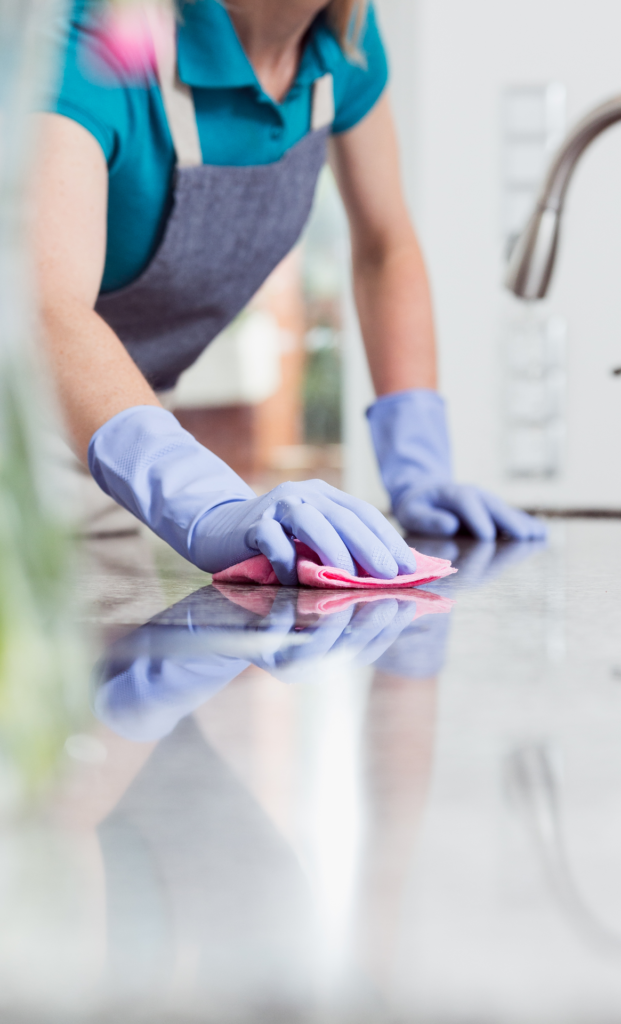
To ensure that your stone counter tops will provide you with a lifetime of aesthetics and utility, proper maintenance is crucial. Natural stone is a durable material consisting of minerals but is porous by nature and requires regular routine care to ensure lasting beauty and luster.
Granite, Marble and Slate are natural stone products that Mother Nature has created and may be subject to small cracks, color blemishes, shade variations, veining, pitting, voids, surface textures and small fissures which are inherent properties of the natural stone and are not to be considered as defects.
Granite does come in different thickness from 19mm to 30mm and edge profiles can be picked out from a variety of styles that will compliment your design. Seams will be determined by Modern Granite & Marble as to the best possible solution for the countertop as weight may be a factor on size.
Since most natural stones, even in a honed and polished finish, still have a natural absorption factor which allows most staining agents and even the cleaning water itself to penetrate deep into the pores to a point that regular maintenance will not be able to remove them an initial protection with a sealer is “strongly recommended”. Once a countertop has been sealed it does not mean that the countertop is entirely impervious to stains. The sealer only provides a temporary barrier to stains. If something is spilled on the countertop, wipe off immediately to keep it from staining. To prevent stains from occurring make sure that the surface is wiped with a clean paper cloth and clean water mixed with a light detergent after each use. To further reduce the chance for a countertop to be stained, it is also recommended that the homeowner “re-seal” the countertop periodically after the initial sealing. You should do a sample testing in a small area to insure desired results. The countertop should be sealed 24-48 hours after the installation. Apply the impregnator using a clean white towel. Granite and Marble are “Natural Stone Products” here are some pointers.

For daily cleaning, clean the countertop with warm water and a few drops of dish washing detergent or antibacterial detergent using a soft cloth. Rinse the surface thoroughly with clean water and dry with a soft cloth. If you spill something on your countertop, blot with a paper towel or soft cloth immediately. Do not wipe the area as this can spread the spill. Flush the spill with warm water and detergent and rinse thoroughly. Dry the area with a soft cloth. Properly sealed stone will repel most stains if the spills are cleaned promptly.
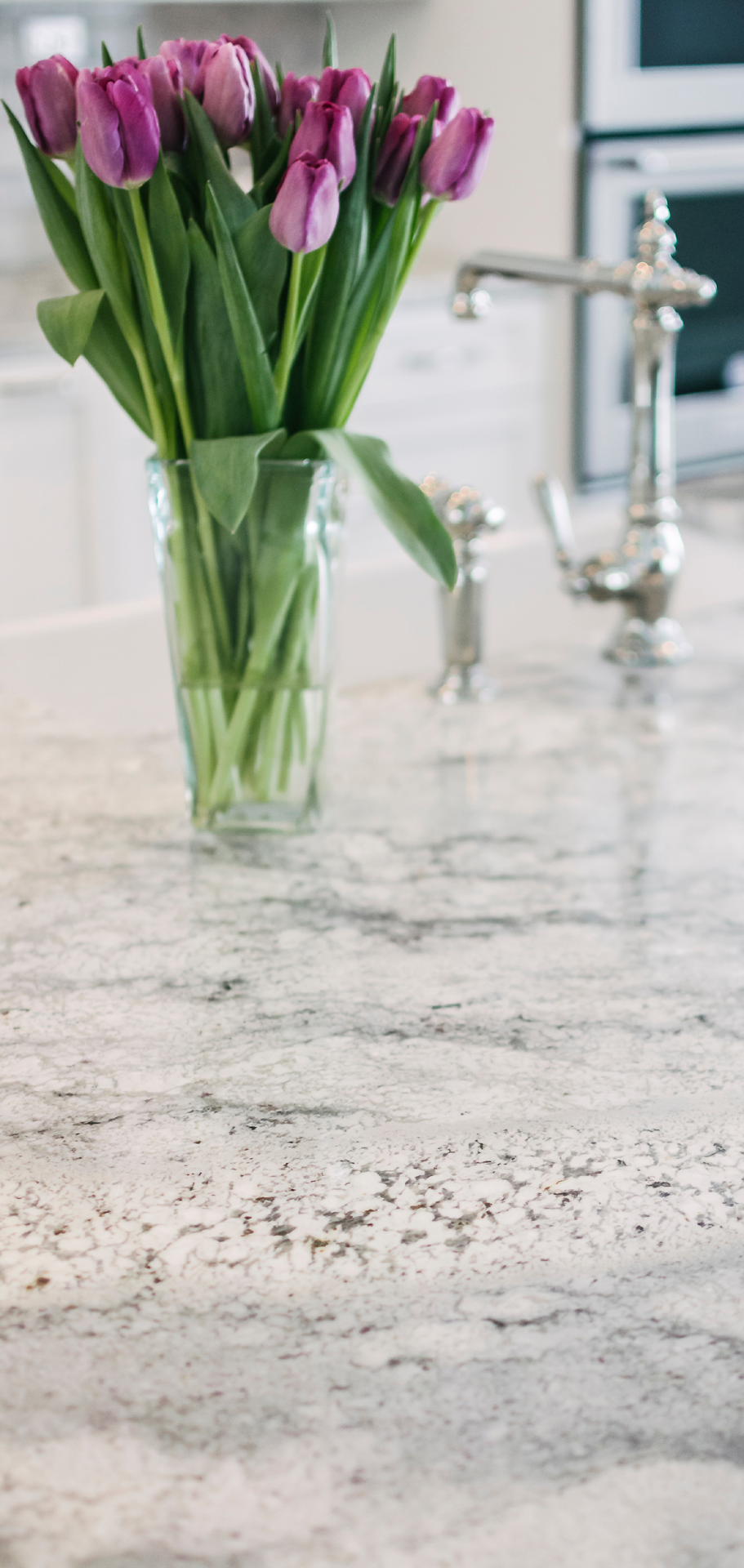
Daily: Hot water and a sponge is sufficient to wipe up spills and debris and keep your countertops clean and tidy throughout the day. At the end of the day, a quick spray and wipe of the most heavily used areas with a stone cleaner will adequately clean, disinfect and protect your countertops.
Weekly: Use the stone cleaner over the entire surface.
Quarterly: Polishes, revitalizers and color enhancers can also be used periodically for the ultimate in natural stone and granite countertop maintenance.
Yearly: Annual re-sealing is a good idea although the frequency for proper granite counters top maintenance really depends on the type of stone (porous or dense) and the quality of the sealant It’s a very easy job and unless you have a stone that really shouldn’t be sealed (i.e. some black granites), then re-sealing every year will only ensure that your countertops are well protected against staining. It’s a must for marble, travertine and limestone.

For stains or dried spills, apply a non-abrasive cleaner and rinse with water. For adhered stains, scrape gently with a plastic
putty knife and wipe away excess residue with a damp cloth. To remove extra-stubborn stains, use a no-scratch or delicate scrub pad.
If you find you have a stain that is not easily removed by following the above directions for spills, a “poultice” can be used to pull the stain from the stone. Stone poultice is a fine, non-acidic, absorptive clay cleaning powder that removes deep-set oil stains, grease and light cement grout haze from polished and unpolished natural stone. Poultice may dull the shine of the polished stone. If this occurs, you will need to use a marble polish to restore the natural shine.
When granite has been neglected, you will need to use a heavy-duty stone cleaner and degreaser to effectively remove dirt, grease, and grime. These products are concentrated and designed to deep clean without damaging the stone. It is important to follow manufacturer’s instructions carefully.
Granite and marble countertops can be damaged from exposure to harsh chemicals and solvents. This includes, but is not limited to;
Should your surface accidentally come into touch with any harsh reagents, immediately rinse thoroughly with clean water.
Modern Granite & Marble seals all granite and marble countertops upon installation. Granite and marble should be resealed every 6 months to two years depending on color and usage. Always refer to product manufacturer’s instructions for sealer application. Modern Granite recommends sealing the countertop once a year.
Applying granite sealers general application: Please refer to specific manufacturers’ instructions. Clean the surface thoroughly, remove any stains, allow the stone to dry for several hours, pour the sealer on the surface. Spread the sealer over the countertop with a paper towel, foam brush or rag, allow the sealer to penetrate 5-10 minutes (if the sealer is completely absorbed in 5 minutes add more) after 5-10 minutes blot any remaining sealer, buff the stone dry with a clean terry cloth and let dry for 12 hours before use, make sure your work area is well ventilated.

Modern Granite & Marble offers a 1-year limited warranty on workmanship. Warranty work does not cover damages resulting from normal wear and tear such as chips and scratches, neglect, physical or chemical abuse, accidents, misuse, improper care, prolonged exposure to heat or liquids, and damage or injuries caused in whole or in part by acts of God or structural failures and deficiencies.
Engineered Quartz Care & Maintenance

Engineered quartz countertops are highly durable and do not require resealing to maintain their finish. Although highly scratch, heat, and stain resistant, improper care and usage can result in damage to your countertop. Simple routine care and maintenance will help prolong the life and finish of your quartz surfaces.
For daily cleaning, use a mild detergent or soft soap diluted with warm water.
Rinse thoroughly to remove residue.
Clean counters after use.
Wipe any spills immediately (including juices, wine, dyes, and cooking oils, etc.).
Do not place hot pots and pans directly on the surface. We recommend using trivets or hot pads.
Do not use sharp objects such as knives directly on the surface. Always use a cutting board.
For stains or dried spills, apply a non-abrasive cleaner and rinse with water. For adhered stains, scrape gently with a plastic putty knife, wipe away excess residue with a damp cloth. To remove extra-stubborn stains, use a no-scratch or delicate scrub pad.
As with any other surface, engineered quartz countertops can be damaged from exposure to harsh chemicals and solvents. This includes, but is not limited to;
Products containing Trichloroethane or Methylene chloride (such as paint removers).
Aggressive cleaning agents (oven cleaners, dishwasher polishing agents).
Products containing oils and powders.
Acidic or abrasive chemicals (bleach, etc.).
Should your surface accidentally come into contact with any harsh reagents, immediately rinse thoroughly with clean water.

Please refer to the manufacturer’s website for the specific details of the warranty.
Caesarstone Cambria Dekton LG Surfaces Samsung Staron Samsung Radianz Silestone Vicostone Wilsonart | https://www.staron.com/staron/us/main/main.do |
General Information
– Keep cabinet surfaces dry.
– Quick temperature changes and excessive moisture can be harmful to the cabinet finish and overall cabinet stability.
Initial Cleaning After Installation
– To remove dust, use a soft, lint-free cotton cloth to wipe down all exterior and interior surfaces.
Basic Cleaning
– Use a soft, lint-free cotton cloth dampened with a mild detergent or soap, and warm water.
– For best results, use a “blotting” action rather than a wiping motion when cleaning.
– Dry surfaces immediately with a soft, lint-free cotton cloth.
– Avoid using a dish cloth or sponge – Harsh detergent residues may harm finishes.
– Avoid ammonia-based cleaners and soaps with dye.
Wipe Spills Promptly
– Food spills and grease will come off more easily if they are removed promptly.
– Wipe up spills and water spots immediately with a lint-free cotton cloth so moisture is not absorbed into the cabinetry.
– Check the areas around the sink and dishwasher to make sure that water and detergents do not dry on the
cabinet surface.
– Do not leave printed materials (newspapers, magazines, etc.) on the cabinet surface. The printing ink can bleed
into the cabinet finish.
Avoid Excessive Moisture & Heat
– Avoid draping wet or damp dish towels over doors of the base cabinets.
– Do not attach towel racks to the interior of cabinet doors.
– Use trays under potted plants to catch excess water.
– Avoid placing small kitchen appliances where the heat or steam is directed onto cabinet surfaces.
– Always protect wood surfaces by using hot pads under hot items
Avoid Abrasives
– Never use scouring pads, steel wool, wire brushes or powdered cleaners.
– Do not allow oven cleaner to touch any part of the cabinet.
– Avoid sliding objects across the cabinet surface.
– Be careful with knives and other sharp objects that can damage the cabinet surface.
– When in doubt of a cleaner’s suitability, don’t use it. Harsh cleaners and detergents may scratch and penetrate the surface, allowing food or moisture to enter and cause deterioration of the finish. Never leave a cloth moistened with cleaners on a cabinet surface for any length of time.
Care and Cleaning of Glass Door Inserts
– Use a household glass cleaner with a soft, clean cloth.
– Apply the glass cleaner directly to a cloth rather than the glass or mirror.
– Avoid excess glass cleaner running into cabinet joints.
– Ammonia should never be used full strength.